Overview of Semaglutide and Its Dietary Impact
Semaglutide, a GLP‑1 agonist, slows gastric emptying and boosts satiety, helping users reduce calorie intake. Clinical guidelines recommend pairing injections with a 30‑day, 1,200‑ or 1,800‑calorie, antioxidant‑rich meal plan. A downloadable PDF outlines daily menus, snacks, and hydration tips!!.
1.1 What Semaglutide Is and How It Works for Weight Loss
Semaglutide is a synthetic glucagon‑like peptide‑1 (GLP‑1) analogue that mimics the natural hormone’s action on the brain and gut. When administered via subcutaneous injection, it binds to GLP‑1 receptors in the hypothalamus, enhancing satiety signals and reducing the desire to eat. In the stomach, it delays gastric emptying, allowing the stomach to remain fuller for longer periods. Together, these mechanisms lower overall energy intake without the need for drastic dietary restriction. Clinical trials have shown that patients receiving semaglutide lose an average of 5–10 % of their baseline body weight over 12–16 weeks, largely through decreased caloric consumption and improved insulin sensitivity. The drug’s effect on appetite is mediated by increased release of peptide YY and cholecystokinin, hormones that signal fullness to the brain. Because semaglutide does not directly target fat cells, its weight‑loss benefits are achieved through a sustainable reduction in food intake and better metabolic control. A 30‑day semaglutide diet plan PDF typically pairs the medication with a structured, calorie‑controlled menu, ensuring that users receive balanced nutrition while taking advantage of the drug’s appetite‑suppressing properties. This combination of pharmacologic action and dietary guidance is key to achieving consistent, clinically meaningful weight loss.
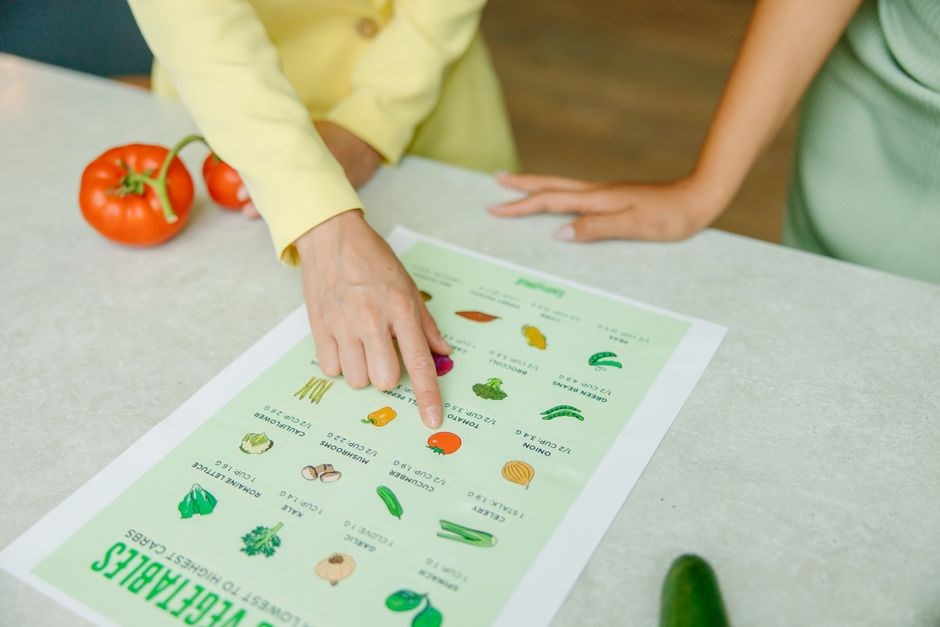
This evidence‑based approach aligns with USDA dietary guidelines, ensuring nutrient adequacy while leveraging semaglutide’s suppression for weight loss.!
1.2 The Role of GLP‑1 in Appetite Regulation and Meal Planning
GLP‑1, a gut‑derived hormone, signals satiety through the vagus nerve and central pathways, reducing hunger and meal size. Semaglutide, a long‑acting GLP‑1 analogue, amplifies these signals, leading to a 20‑30 % reduction in caloric intake over several weeks. The drug slows gastric emptying, giving the brain more time to register fullness, which allows for flexible meal timing without the need for strict portion control. A 30‑day semaglutide diet plan PDF incorporates these principles by offering 1,200‑ and 1,800‑calorie templates that emphasize lean protein, high‑fiber vegetables, and antioxidant‑rich fruits. Each day includes balanced macros: 25‑30 g protein for women and 35‑40 g for men, 25‑30 % of calories from fat, and the remainder from complex carbohydrates. Fiber intake is targeted at 25–30 g per day, paired with adequate hydration to support bowel regularity. Meal templates are designed to align with GLP‑1 peaks, encouraging small, frequent meals that curb cravings. The plan also includes hydration reminders, as water enhances satiety and aids digestion. By synchronizing meal timing with GLP‑1 activity, users experience sustained appetite suppression and improved metabolic control. The result is a sustainable, evidence‑based approach that turns the body’s own appetite signals into a powerful tool for lasting weight loss. Additionally, plan uses intermittent fasting windows to curb hunger!!
Core Components of a 30‑Day Semaglutide Diet Plan
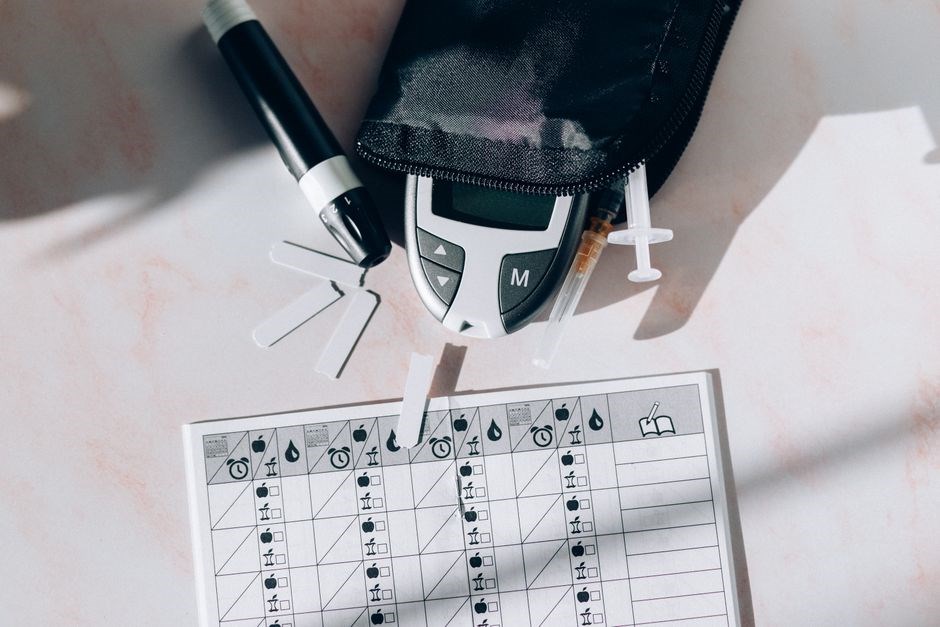
The 30‑day PDF outlines calorie targets, antioxidant‑rich foods, anti‑inflammatory choices, and meal timing aligned with GLP‑1 peaks. It offers 1,200‑ and 1,800‑calorie templates, protein goals, fiber, hydration, and printable templates for tracking. Macros, hydration tips, printable trackers. 5kg
2.1 Calorie Targeting: 1,200‑Calorie and 1,800‑Calorie Options

For users beginning a semaglutide regimen, a 30‑day PDF meal plan offers two distinct calorie tracks: a 1,200‑calorie option for rapid weight loss and a 1,800‑calorie option for moderate reduction while preserving lean mass. The 1,200‑calorie template, designed by a registered dietitian, includes three balanced meals and two nutrient‑dense snacks, totaling 1,200 kcal per day. It emphasizes high‑fiber vegetables, lean proteins, and healthy fats to sustain satiety during the GLP‑1‑induced appetite suppression. The 1,800‑calorie plan expands portion sizes and adds an extra snack, providing 1,800 kcal daily. It is ideal for individuals with higher activity levels or those who need to maintain muscle mass while losing fat. Both templates incorporate a 30‑day printable schedule, allowing users to track daily intake, monitor adherence, and adjust portions as needed. The PDF also includes a quick reference table that aligns each meal with the expected peak of semaglutide activity, ensuring that calories are consumed when appetite is naturally reduced. Users can download the PDF, print the meal sheets, and use the accompanying tracker to log foods, water intake, and weight changes. This structured approach helps maintain consistency, supports metabolic adaptation, and maximizes the weight‑loss benefits of semaglutide over a full month. Users should also track sleep and stress, as these factors influence appetite hormones and overall weight loss success.!!
2.2 Antioxidant‑Rich, Anti‑Inflammatory Food Choices for Visceral Fat Reduction
In a 30‑day semaglutide PDF plan, the focus shifts to foods that curb oxidative stress and inflammation—key drivers of visceral adiposity. The menu prioritizes dark leafy greens, berries, cruciferous vegetables, and fatty fish, each loaded with polyphenols, omega‑3s, and fiber. Whole grains such as quinoa and barley provide sustained energy and additional antioxidants. Legumes, nuts, and seeds add plant‑based protein and healthy fats, helping to keep blood sugar steady and appetite in check. The plan also includes spices like turmeric, ginger, and cinnamon, which have proven anti‑inflammatory effects. Each day features a “green smoothie” or a berry‑rich snack, ensuring that the antioxidant load remains high even during fasting periods. By pairing these foods with the GLP‑1‑induced satiety, the PDF encourages a steady reduction in visceral fat while preserving lean muscle mass. The printable sheets list portion sizes, preparation tips, and a daily “antioxidant score” to motivate adherence. Users can track their intake, compare scores, and adjust recipes to meet calorie targets. This structured, evidence‑based approach supports metabolic health, improves insulin sensitivity, and accelerates the loss of harmful belly fat over the 30‑day period. The PDF also offers a quick reference chart for daily antioxidant intake, enabling users to tailor portions to their individual metabolic response. Additionally, the plan integrates cues, users pause, savor, and reflect on hunger signals before each bite, fostering habits daily now. Enjoy the journey! Stay consistent Keep going

Sample Meal Templates and Printable Resources

The 30‑day PDF offers a 7‑day GLP‑1‑friendly template, printable pages, and a full menu with breakfast, lunch, dinner, and snacks. Users can download, print, and customize the plan to match calorie goals and dietary preferences. The templates include guides, snack ideas, and hydration tips for use.!!
3.1 7‑Day GLP‑1‑Friendly Meal Template Created by a Dietitian
Designed by a board‑certified dietitian, the 7‑day template aligns with the U.S. Department of Agriculture and Health and Human Services dietary guidelines. Each day features a balanced mix of lean protein, complex carbohydrates, and healthy fats, with a focus on low‑glycemic index foods to complement semaglutide’s appetite‑suppressing effects. The template includes portion‑controlled breakfast options such as Greek yogurt with berries, a protein‑rich scrambled‑egg bowl, and a whole‑grain toast with avocado. Lunches feature nutrient‑dense salads, grilled chicken or tofu, and quinoa or brown rice, while dinners provide lean fish, roasted vegetables, and a side of legumes. Snacks are strategically placed to maintain satiety, including nuts, seeds, and fresh fruit. The plan also emphasizes antioxidant‑rich, anti‑inflammatory foods like leafy greens, berries, and turmeric‑infused dishes to aid visceral fat reduction. Hydration guidelines recommend at least 8 cups of water daily, and the template suggests herbal teas and infused water for variety. Each day’s menu is accompanied by a printable grocery list, meal prep tips, and a calorie breakdown to keep users on track. This resource is available as a PDF download, allowing easy printing and customization to match individual calorie targets of 1,200 or 1,800 calories per day. By following the 7‑day cycle, users can establish healthy eating patterns that support long‑term weight management while taking semaglutide.
Meal prep instructions advise batching proteins and vegetables, using airtight containers, and labeling dates to maintain freshness. The template encourages rotating protein sources—fish, poultry, legumes—to prevent dietary boredom. Portion sizes are guided by the 2‑inch hand rule for protein, 1‑cup for grains, and 2‑cups for vegetables. The plan also includes a weekly reflection sheet to note hunger cues, mood changes, and adherence challenges, fostering mindful eating habits. Users can adjust seasoning and spice levels to suit taste while keeping sodium low, supporting cardiovascular health. The PDF includes printable checklists for grocery shopping, a weekly summary sheet for calorie tracking, and a motivational quote section to keep users engaged. By integrating these elements, the 7‑day template serves as a comprehensive tool for individuals embarking on a semaglutide‑assisted weight‑loss journey. The template’s design ensures flexibility, allowing users to swap meals within the same calorie framework without disrupting the overall plan.
3.2 30‑Day Printable Meal Plan with Breakfast, Lunch, Dinner, and Snacks
Our 30‑day printable meal plan, available as a PDF download, offers a structured menu that pairs semaglutide’s appetite‑suppressing benefits with a calorie‑controlled, antioxidant‑rich diet. The plan contains 38 pages, each featuring a full day’s worth of breakfast, lunch, dinner, and two snacks, designed to keep hunger at bay while providing 1,200‑ or 1,800‑calorie options. Each meal is portion‑controlled and balanced with lean protein, complex carbs, and healthy fats, following USDA and HHS dietary guidelines. The template includes a grocery list, prep instructions, and a daily calorie tracker. Users can swap meals within the same calorie bracket, ensuring flexibility. The printable format allows for easy organization, labeling, and storage, making it simple to maintain consistency throughout the month. The plan also incorporates anti‑inflammatory foods—berries, leafy greens, turmeric, and omega‑3‑rich fish to support visceral fat reduction. Hydration reminders and a weekly reflection sheet help users stay mindful of progress and adjust portions as needed. This resource is ideal for beginners and seasoned dieters alike, providing a clear, actionable roadmap for weight loss while taking semaglutide. The plan’s structure encourages mindful eating, supports metabolic flexibility, and aligns with evidence that GLP‑1 agonists amplify satiety signals, making calorie control more sustainable. Participants report improved mood and reduced cravings, reinforcing adherence to the meal plan and fostering long‑term health outcomes. —success now.

Nutritional Guidelines and Macronutrient Targets
Protein: 25‑30 g/day women, 35‑40 g/day men. Carbs: 45‑55% of calories, favor whole grains. Fats: 20‑35%, prioritize omega‑3s; Fiber: 25‑30 g, water 2–3 L. Follow USDA 2020‑25 guidelines for balanced, anti‑inflammatory meals. Enjoy progress! Go!

4.1 Protein Intake Recommendations: 25‑30 g for Women, 35‑40 g for Men
For individuals on a 30‑day semaglutide diet plan, protein serves as the cornerstone for preserving lean mass while promoting satiety. The U.S. Department of Agriculture recommends 25–30 g of high‑quality protein per day for women and 35–40 g for men, aligning with the American College of Sports Medicine’s guidelines for weight‑loss programs. Sources such as skinless poultry, fish, legumes, tofu, and low‑fat dairy provide complete amino‑acid profiles without excessive saturated fat. Incorporating a protein‑rich snack—like Greek yogurt or a boiled egg—helps maintain steady blood‑glucose levels and reduces cravings triggered by the GLP‑1 agonist’s appetite‑suppressing effects. Aim to distribute protein evenly across three main meals and two snacks; this strategy supports muscle protein synthesis and prevents nocturnal catabolism. Pairing protein with fiber‑dense vegetables and complex carbohydrates further enhances satiety, allowing the semaglutide regimen to work synergistically with dietary habits. Consistent monitoring of weight and body‑composition metrics can help adjust protein targets as needed, ensuring optimal results while safeguarding metabolic health. a kitchen scale, measuring cups, or a smartphone app that logs macronutrients. Targeting a protein density of at least 0.3 g per 100 kcal ensures each meal supports satiety and muscle repair. For vegetarian or vegan diets, combine plant proteins like lentils, quinoa, and tempeh to achieve complete amino‑acid coverage. Timing protein around workouts—ideally within a 30‑minute window post‑exercise—maximizes anabolic signaling and supports recovery during semaglutide‑induced appetite suppression. Regular body‑composition checks help fine‑tune protein goals, preserving lean mass while fat loss continues. This balanced approach aligns with USDA 2020‑25 dietary guidelines and supports sustainable weight management. Consistency is key. Daily tracking helps.

4.2 Fiber and Hydration Strategies to Support Bowel Regularity
Fiber and hydration are essential for maintaining bowel regularity, especially when using semaglutide, which can alter gut motility. The USDA 2020‑25 Dietary Guidelines recommend 25 g of fiber per day for women and 38 g for men. A 30‑day semaglutide diet plan PDF should incorporate a mix of soluble and insoluble fibers: oats, chia seeds, berries, broccoli, lentils, and whole‑grain breads. Soluble fiber forms a gel that slows gastric emptying, enhancing satiety, while insoluble fiber adds bulk, preventing constipation. Pairing fiber with adequate fluid intake—at least 2 L of water per day—ensures that fiber can expand and move smoothly through the colon. A practical strategy is to start each morning with a glass of water followed by a fiber‑rich breakfast, such as oatmeal topped with sliced apple and a sprinkle of flaxseed. Mid‑day, include a salad with leafy greens, chickpeas, and a vinaigrette, and finish dinner with a vegetable‑stew containing beans. Snacks like raw carrots, hummus, or a handful of almonds also contribute to daily fiber totals. Tracking water consumption with a reusable bottle or a hydration app can help maintain consistency. If constipation persists, consider a fiber supplement such as psyllium husk, but only after consulting a healthcare professional. Regular bowel movements not only improve comfort but also support the metabolic benefits of semaglutide by preventing bloating and enhancing nutrient absorption. Consistent fiber and hydration practices are therefore a cornerstone of now successful semaglutide diet plan.
Tips for Successful Implementation and Tracking
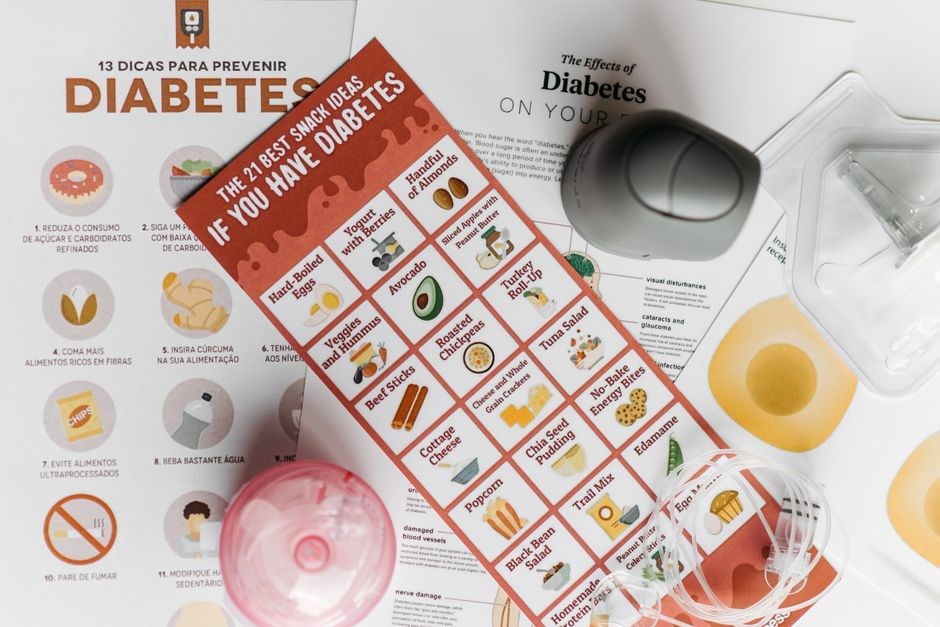
Leverage the 30‑day PDF’s printable sheets for daily meals, track intake with a simple spreadsheet, and schedule weekly check‑ins with a coach. Use the built‑in meal prep checklist, set realistic goals, and celebrate milestones to stay motivated and accountable. Track progress and tweak portions as needed.
5.1 Using Digital Downloads and Templates for Consistent Meal Prep
Digital downloads simplify the 30‑day semaglutide plan. The PDF includes 38 printable pages: breakfast, lunch, dinner, snacks, and a grocery list. Users can print or save to a tablet, then color‑code meals for the week. A built‑in meal‑prep checklist tracks portions, cooking times, and storage tips. By marking completed items, you maintain consistency and reduce last‑minute choices. The downloadable template also features a weekly summary sheet for calorie totals and macronutrient ratios, aligning with the 1,200‑ or 1,800‑calorie targets. Coupled with a simple spreadsheet, you can log daily intake and compare against the GLP‑1‑friendly guidelines. The PDF’s “prep‑ahead” section suggests batch‑cooking lean proteins and roasting vegetables, ensuring you have ready‑to‑eat options that satisfy satiety and support appetite control. The plan’s “tracking” page encourages you to note mood, hunger levels, and any side effects, providing data for coaching sessions or self‑adjustments. Consistent use of these digital tools turns the semaglutide diet into a structured, manageable routine. Because the PDF is downloadable, you can share it with a dietitian or a friend for accountability. The template includes a section for weekly grocery budgeting, helping you stay within a realistic financial plan while still meeting nutrient goals. The color‑coded system aids in visual portion sizes, reducing the risk of overeating. The plan’s hydration tracker reminds you to drink at least eight cups of water daily, essential for fiber digestion and metabolic health. By integrating digital resources, you create a repeatable framework that supports long‑term adherence and progress. Use the PDF’s color‑coded sections to track portions, and the hydration reminder to stay on water goals. Log meals in a simple spreadsheet, noting mood and hunger. Review weekly to adjust portions and keep the plan personalized and effective
5.2 Seeking Coaching and Accountability for Long‑Term Success
Engaging a certified nutrition coach or a medical professional who understands semaglutide can transform a 30‑day plan into lasting habits. Coaches provide personalized feedback on the PDF’s meal logs, helping you tweak portion sizes, swap foods, or adjust calorie goals when progress stalls. Regular virtual check‑ins—weekly or bi‑weekly—keep motivation high and allow real‑time correction of side effects or dietary lapses. Accountability tools such as shared spreadsheets, progress photos, or a private group chat create a sense of community, reducing isolation. Many platforms offer automated reminders that sync with the PDF’s meal‑prep schedule, ensuring you never miss a scheduled snack or hydration checkpoint. A coach can also interpret the plan’s macronutrient targets—25‑30 g protein for women, 35‑40 g for men—and suggest high‑protein, low‑sugar alternatives that maintain satiety while respecting GLP‑1 benefits. By setting measurable milestones (e.g., weekly weight loss, waist circumference, or blood glucose readings) and reviewing them together, you build a data‑driven approach that reinforces behavioral change. Long‑term success often hinges on the ability to adapt; a coach can help you transition from the 30‑day PDF to a sustainable eating pattern that continues to support semaglutide’s appetite‑suppressing effects. Remember, the goal is not just weight loss but improved metabolic health, and professional guidance ensures you achieve both safely and sustainably. Additionally, coaches can introduce you to evidence‑based lifestyle strategies such as mindful eating, stress management, and sleep hygiene—all of which influence appetite regulation and metabolic response to semaglutide. They can also connect you to peer support groups or online forums where members share recipes, meal‑prep hacks, and motivational stories, further reinforcing adherence. For those who prefer self‑paced learning, many coaches offer downloadable modules that complement the PDF, covering topics like reading nutrition labels, planning grocery trips, and creating balanced plates. By integrating these resources, you create a robust support system that addresses both the physiological and psychological aspects of weight management. Commit to the coaching process, and let the 30‑day semaglutide diet PDF serve as a foundation for lifelong wellness.